
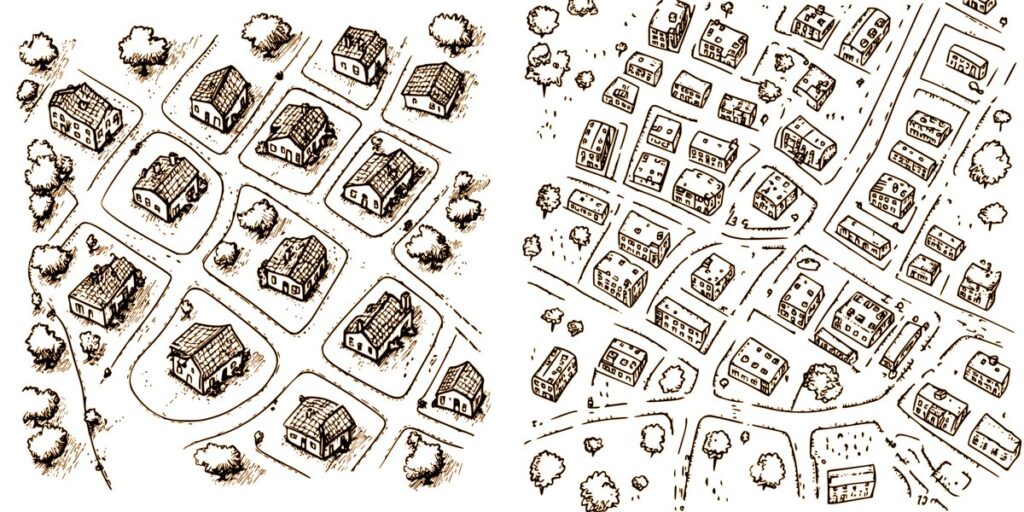
Nestled just north of Old Town Bowie, the Fairview neighborhood whispers stories from the past while embracing the steady heartbeat of today’s community life. For longtime residents and newcomers alike, Fairview offers more than just tree-lined streets and welcoming homes—it serves as a living chronicle of Bowie’s storied growth, from its earliest railroad days to its standing as a vibrant suburban cornerstone.
Origins of Fairview: A Glimpse Into Early Bowie
Long before Bowie blossomed into the thriving city it is now, the area that would become Fairview was rolling farmland, closely tied to the rhythm of the seasons and the fortunes of Maryland’s great estates. Fairview’s name can be traced back to the Fairview Plantation, a sprawling estate established in the early 1700s by the prominent Bowie family, for whom the town itself is named. Built by Colonel William Duckett Bowie, the estate overlooked the Patuxent River valley, giving rise to the apt name “Fairview.”
The plantation, with its elegant Georgian-style manor house, formed the anchor of a community that would gradually grow around its edges. As the railroad made its way through Prince George’s County in the mid-19th century, growth accelerated, and Fairview quickly became a recognizable part of the new town’s patchwork.
Building a Neighborhood: From Plantation to Community
By the late nineteenth and early twentieth centuries, Fairview began taking shape as a true neighborhood. Streets like Duckettown Road, named for another early landholding family, and Chestnut Avenue, lined with mature oaks, marked the early expansion of residential life beyond the original plantation boundaries. As Bowie’s center shifted with the arrival of the Baltimore & Potomac Railroad, Fairview remained a vital link to the city’s agricultural and aristocratic roots.
The centerpiece of the neighborhood is the historic Fairview Plantation house itself, which still stands today and is listed on the National Register of Historic Places. Once home to governors and influential Marylanders, the house is tucked off Old Collington Road, a quiet reminder of the era when plantations dotted the landscape and life moved at a rural pace.
Notable Landmarks: Treasures Old and New
Walking through Fairview is like stepping through the chapters of a living history book. Some of the neighborhood’s key landmarks include:
- Fairview Manor (Fairview Plantation House): This stately mansion, set back from Md. Route 197, is one of Maryland’s oldest continually inhabited houses. Notable for its striking red brick and classic lines, it’s open to the public for special occasions and offers a rare look at early American architecture.
- Holy Trinity Episcopal Church: Dating back to 1836, this lovely stone church stands at the intersection of Church Road and Annapolis Road. The churchyard is the resting place of several Bowie family members alongside generations of local residents. Sunday mornings still echo with tradition here, as they have for nearly two centuries.
- Bowie Railroad Museum: Just a short walk from Fairview’s boundaries, the museum in Old Town Bowie celebrates the arrival of the railroad—a development that shaped Fairview’s future by linking it firmly to the commerce and culture of the wider region.
The People and Progress: Changing Lives on Familiar Streets
As the 20th century unfolded, Fairview evolved from a manor-centered settlement into a bustling residential community. The post-World War II housing boom saw tidy brick ranches and Cape Cods spring up along Fairview Vista Drive, Old Stage Lane, and other quiet streets. Civic pride found expression through the Fairview Citizens Association, founded in the 1950s with the goal of preserving the neighborhood’s dignity and charm amid rapid suburban growth.
Fairview Park, a green hub for families, lies at the heart of today’s neighborhood, offering walking trails and playground equipment under wide canopies of tulip poplars. The park hosts annual block parties and holiday events, continuing a tradition of neighborliness that traces back to front porch conversations and community suppers of earlier times.
Fairview Today: Balancing Heritage With Heartfelt Community
In the 21st century, Fairview is both a historical destination and a beloved hometown for many Bowians. Residents cherish the neighborhood’s walkability, its shade-dappled sidewalks, and the diversity that’s enriched the area in recent decades. The old Fairview School building, now repurposed, stands as a testament to the neighborhood’s adaptability.
Community events, like the Fairview Heritage Day and summer concerts in the park, draw families and visitors from all over Bowie, who come to sample the small-town warmth that Fairview so effortlessly provides.
- Neighborly spirit: Each spring, volunteers from Fairview host clean-up events and garden tours, echoing the communal values that have defined the area since colonial times.
- Education and engagement: Schools in and near Fairview—such as Bowie High School and Tulip Grove Elementary—foster a sense of local pride, with students often participating in projects to document and celebrate neighborhood history.
Why Fairview Stands Out: A Place With a Story
Ask anyone who calls Fairview home what makes the neighborhood special, and you’re likely to hear a blend of nostalgia and optimism.
- The blend of stately history and down-to-earth community spirit.
- The easy access to both historic treasures and everyday conveniences.
- Streets that remember past glories but are still filled with the laughter of today’s children.
From the iconic Fairview Manor to the leafy tracts of Fairview Park, the neighborhood is a living tribute to Bowie’s origins and its continued commitment to community, family, and heritage. More than an address, Fairview is a legacy—one that past, present, and future neighbors shape together every single day.